What is Xanthelasma? Xanthelasma (specifically known as xanthelasma palpebrarum) is a skin condition characterized by the formation of yellowish, slightly raised plaques or bumps around the eyes. These growths are actually localized deposits of cholesterol that.

What is Xanthelasma?
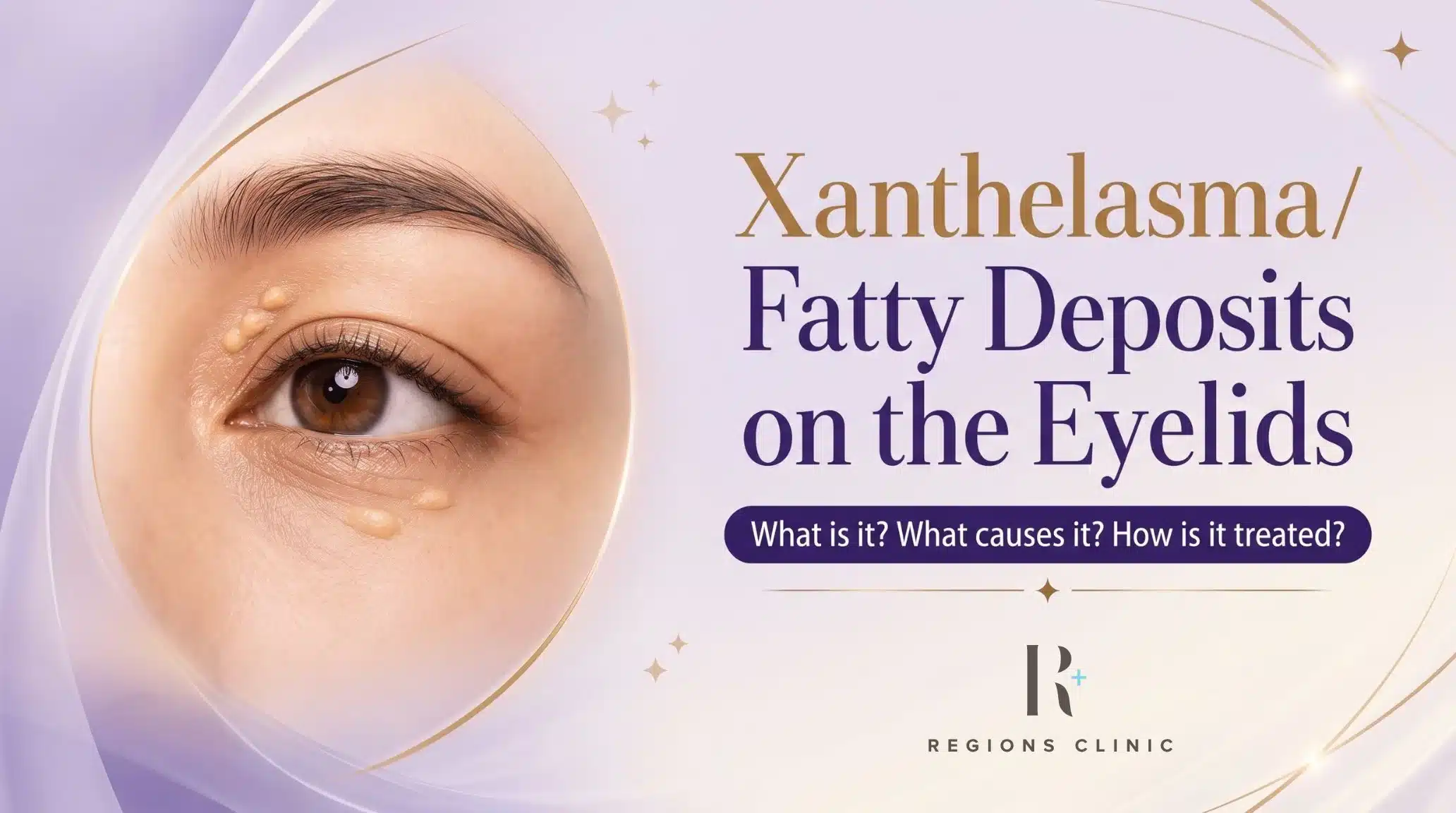
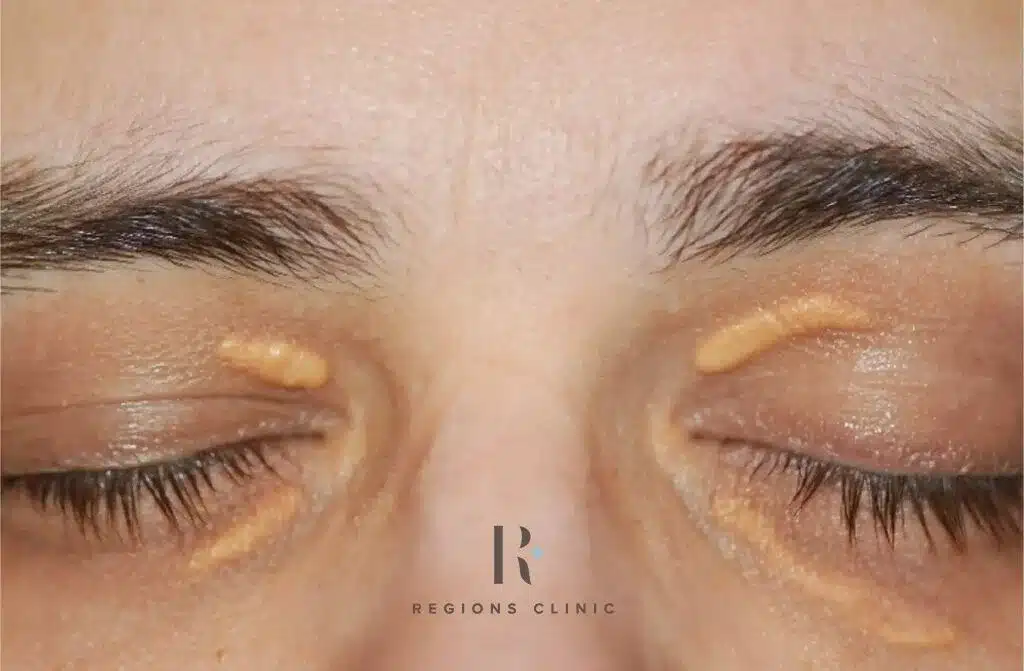
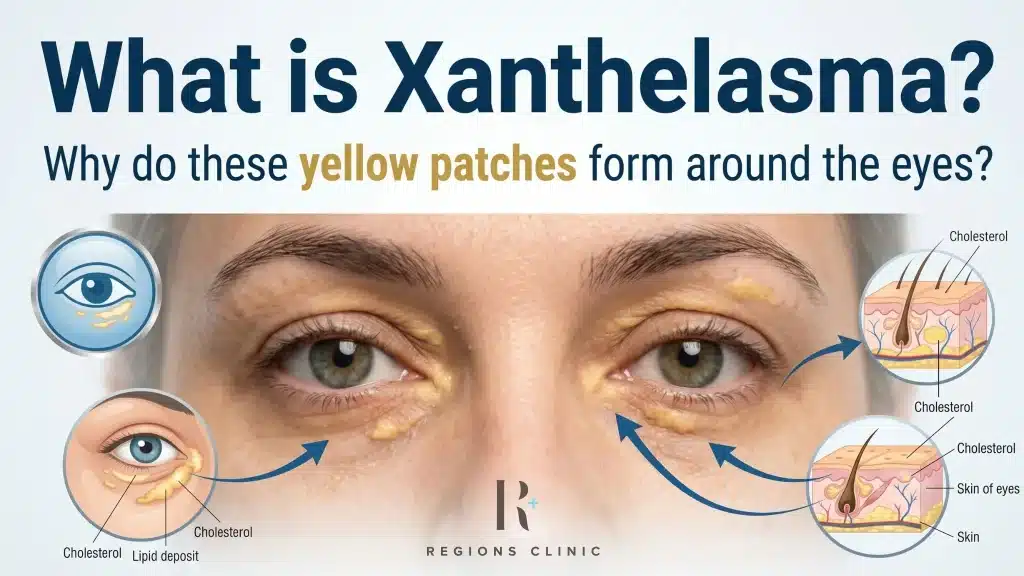
Xanthelasma (specifically known as xanthelasma palpebrarum) is a skin condition characterized by the formation of yellowish, slightly raised plaques or bumps around the eyes. These growths are actually localized deposits of cholesterol that have accumulated just underneath the surface of the skin.
They most frequently appear symmetrically on both eyes, typically starting near the inner canthus (the inner corner of the eyelid near the nose). Over time, if left without proper xanthelasma treatment, they can grow larger, connect with one another, and become more prominent. While they do not affect your vision or cause physical pain, their highly visible nature drives many patients to seek professional removal.
What Causes Xanthelasma Disease?
When patients discover these cholesterol deposits, the immediate question is why they formed. Xanthelasma disease is intrinsically linked to how your body metabolizes and stores lipids (fats).
The most common causes and risk factors include:
Lipid Disorders (Dyslipidemia): Approximately 50% of individuals with xanthelasma have abnormal cholesterol levels. This could mean high LDL (bad cholesterol), low HDL (good cholesterol), or elevated triglycerides.
Genetics: Familial hypercholesterolemia (an inherited condition that causes high cholesterol) strongly increases the likelihood of developing these yellow plaques.
Underlying Medical Conditions: It is frequently observed in patients with diabetes, thyroid disorders, or primary biliary cirrhosis (a liver condition).
Age and Gender: While it can occur at any age, it most commonly appears in middle-aged adults and affects women more frequently than men.
Is it Xanthelasma, Milia, or Syringoma?
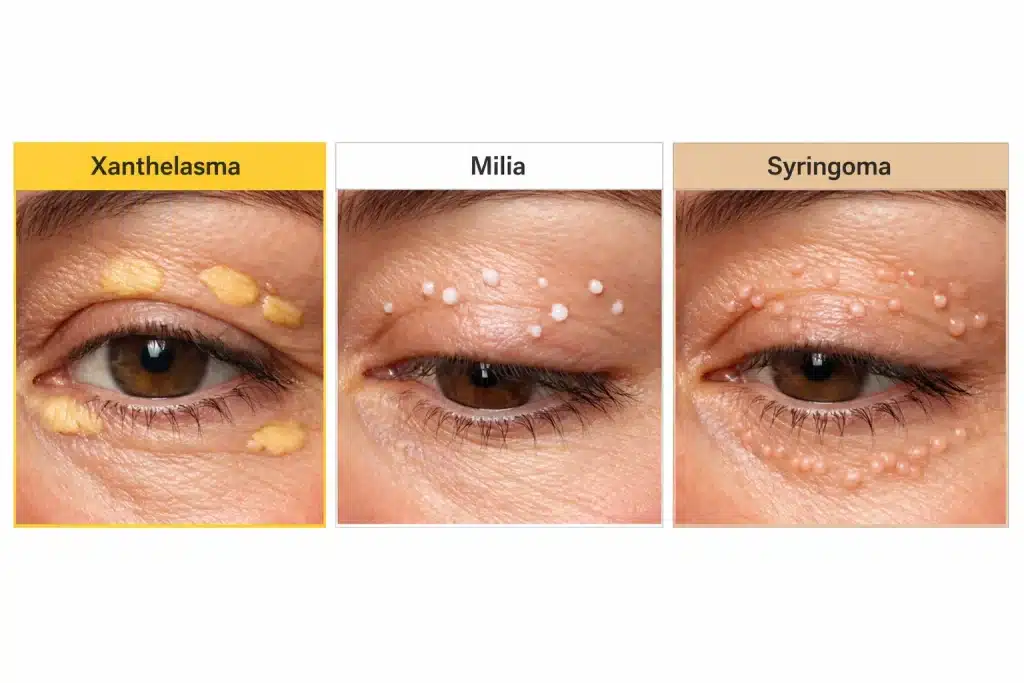
Because several types of bumps can form on the eyelids, accurate clinical diagnosis is essential. Treating one condition with the wrong method can lead to scarring or rapid recurrence. Here is how our aesthetic doctors differentiate between them:
Xanthelasma: These are flat, soft, yellowish plaques that lie flush with or slightly raised above the skin. They are specifically linked to cholesterol deposits.
Milia: These appear as tiny, hard, pearly-white domes. They feel like small beads trapped just under the skin. Unlike xanthelasma, milia are simply trapped keratin (dead skin cells) and have no relation to cholesterol.
Syringoma: These present as clusters of small, flesh-colored or pale bumps, typically below the lower lash line. They are benign overgrowths of sweat ducts, not lipid deposits.
The Safest Xanthelasma Removal Methods
Because xanthelasma is located on the highly sensitive, thin skin of the eyelids, attempting DIY removal or visiting unregulated beauty salons is extremely dangerous and can lead to severe scarring or eye damage.
At Regions Clinic, we utilize precise, medical-grade techniques to ensure the cholesterol deposits are eliminated safely with minimal downtime. The best medical grade removal approaches include:
CO2 Laser Xanthelasma Removal
Fractional CO2 laser therapy is often considered the gold standard for xanthelasma removal. The laser uses highly focused, ablative light energy to gently and precisely vaporize the cholesterol plaque layer by layer. This method is incredibly accurate, preventing damage to the surrounding healthy eyelid tissue. It also seals the blood vessels as it works, resulting in minimal bleeding and an efficient healing process.
Trichloroacetic Acid (TCA) Peels Xanthelasma Removal
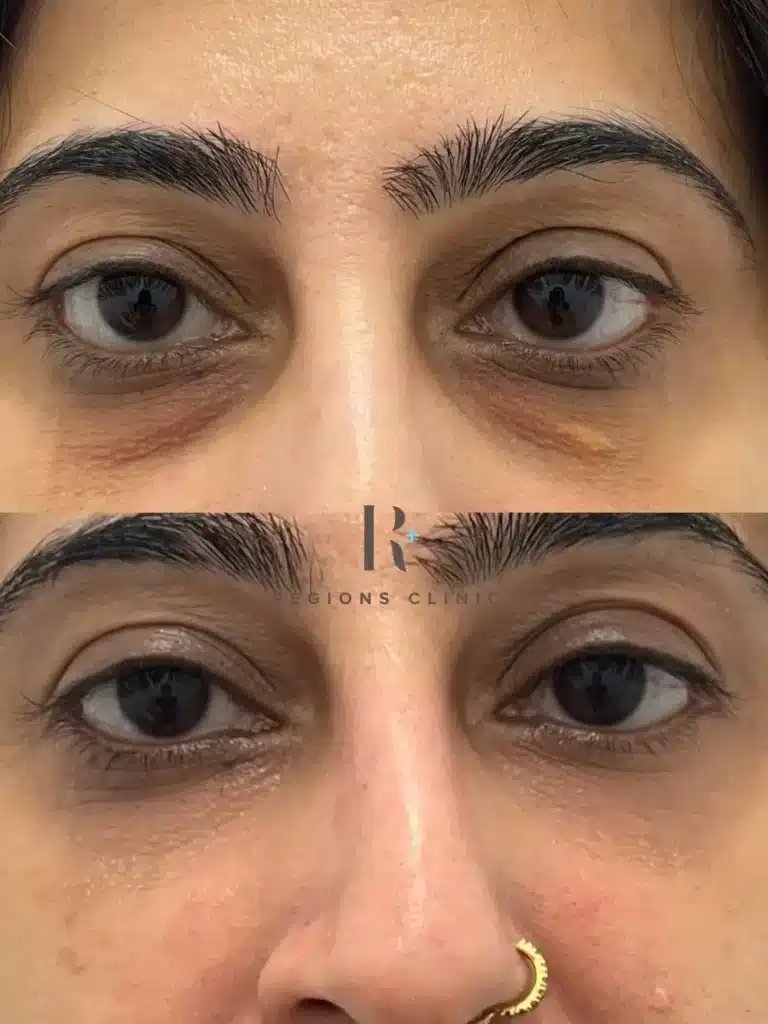
For specific types of xanthelasma, a highly concentrated, medical-grade chemical peel such as Trichloroacetic Acid (TCA) solution can be applied directly to the plaque. The acid breaks down the lipid deposits, causing the yellow bumps to eventually scab and peel away, revealing fresh, clear skin underneath. This must only be performed by a certified aesthetic doctor to prevent the acid from affecting the eye.
Surgical Excision Xanthelasma Removal
In cases where the xanthelasma plaques have grown exceedingly large or deep into the eyelid tissue, minor surgical excision may be required. The doctor carefully cuts away the plaque and closes the tiny incision. While this provides immediate removal, it carries a slightly higher risk of a visible scar compared to laser treatments.
What to Expect After Xanthelasma Treatment
Recovery from the treatment is generally straightforward. Depending on whether laser or TCA peel is used, you can expect minor redness and a small scab to form over the treated area.
Keep the area clean and strictly avoid picking at the scabs to prevent scarring.
The scabs will naturally flake off within 5 to 7 days, revealing fresh, pink skin underneath.
Strict sun protection (sunglasses and SPF) is required for several weeks to prevent hyperpigmentation as the new skin matures.
Xanthelasma Removal Cost in Malaysia
We believe in complete transparency. The price of treatment varies depending on the size, depth, and number of cholesterol plaques on your eyelids, as well as the specific removal method required (such as CO2 Laser or TCA peel).
Because every patient’s skin is unique, a one-size-fits-all price is often misleading.
Frequently Asked Questions (FAQs) About Xanthelasma
Does xanthelasma go away on its own?
No, it will not disappear on its own. In most cases, the cholesterol deposits will remain the same size or slowly grow larger over time. Clinical intervention is required to remove them.
Is xanthelasma removal painful?
When performed in a medical clinic, the procedure involves very minimal discomfort. We apply a premium topical numbing cream or administer a tiny local anesthetic injection to the area beforehand, ensuring you are completely comfortable throughout the treatment.
Can xanthelasma grow back after treatment?
While treatments effectively remove the existing plaques, there is a possibility of recurrence, especially if the underlying cause (such as high cholesterol) is not managed. Combining your aesthetic removal with lifestyle changes or lipid-lowering medication can significantly reduce the chances of them returning.
Effective Xanthelasma Treatment Restoring Clear Eyes and Confidence
Discovering cholesterol deposits around your eyes can be concerning, but it is a highly treatable condition. Whether it is a result of genetics, lipid imbalances, or simply natural aging, modern aesthetic medicine offers safe, precise solutions that do not require extensive surgery.
Because the skin around the eyes requires the utmost care, seeking treatment from highly trained medical professionals is essential to avoid complications or scarring. By combining an accurate medical diagnosis with advanced laser or chemical treatments, you can safely clear these deposits and restore the natural, healthy appearance of your eyes.
Book Your Free Consultation Today!
Regions Clinic | LCP Certified Aesthetic Clinic in Kuala Lumpur