What is Keratosis Pilaris (Chicken Skin)? Keratosis pilaris is a benign (non-harmful) skin disorder that causes dry, rough patches and tiny bumps. These bumps usually do not itch or hurt, but they feel like sandpaper to.

What is Keratosis Pilaris (Chicken Skin)?
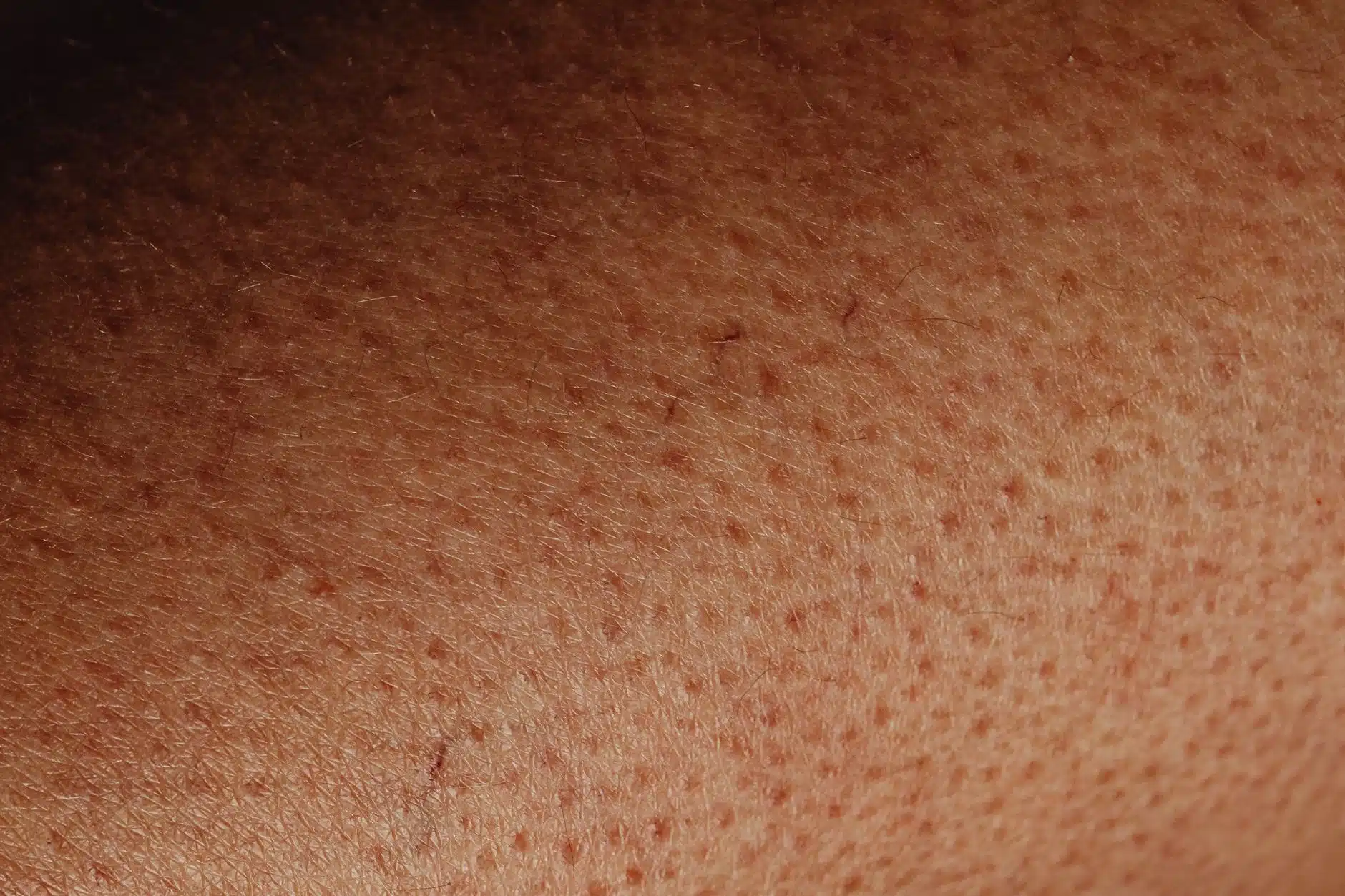
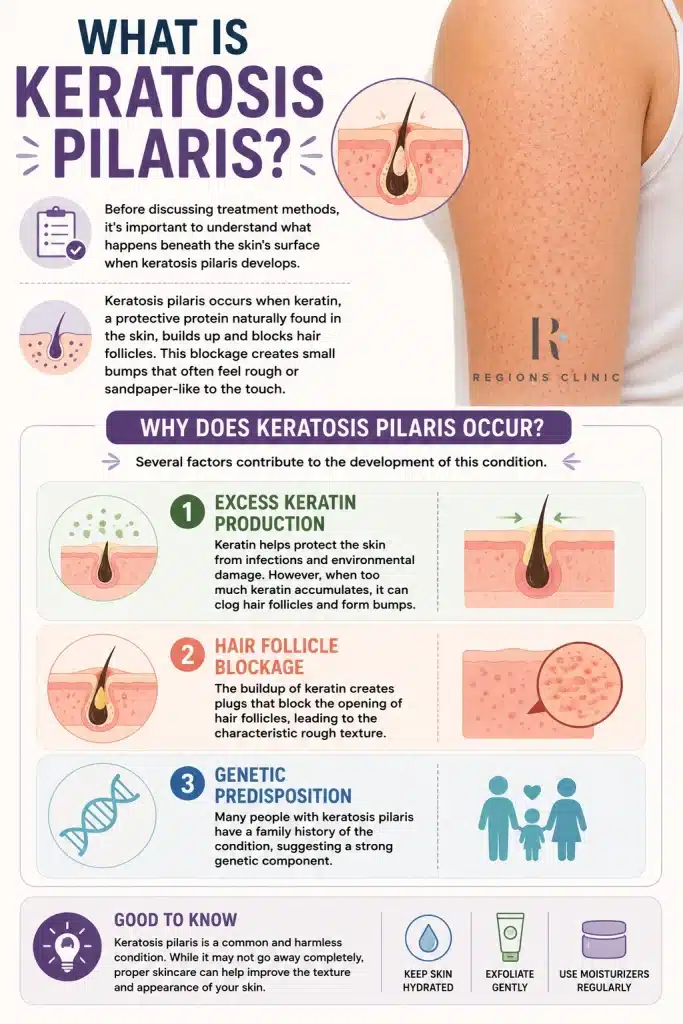
Keratosis pilaris is a benign (non-harmful) skin disorder that causes dry, rough patches and tiny bumps. These bumps usually do not itch or hurt, but they feel like sandpaper to the touch.
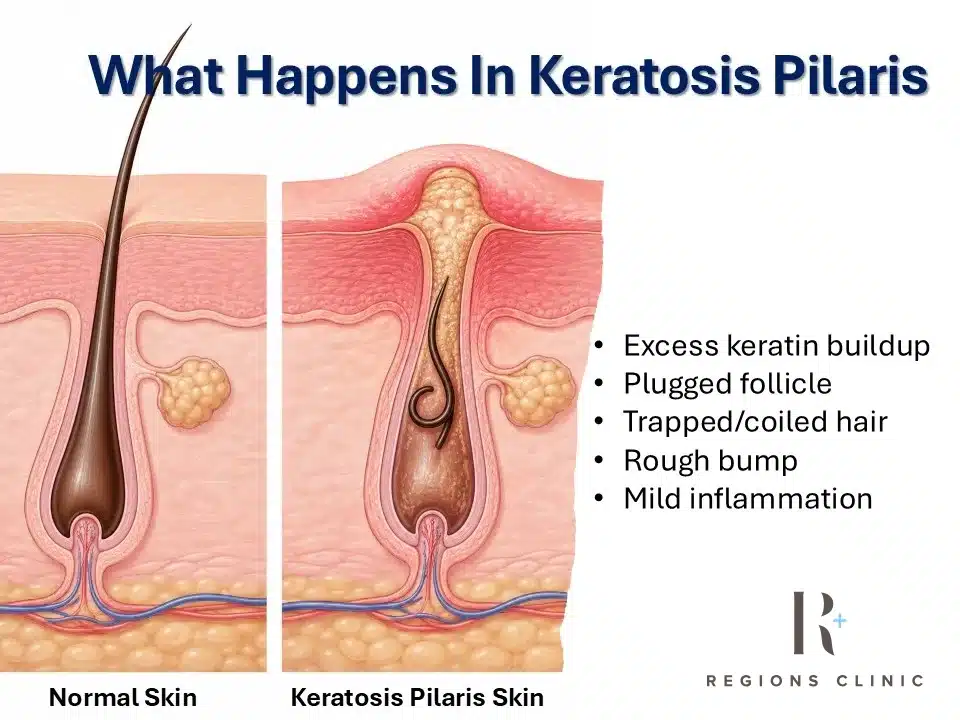
To understand why they form, we have to look at how your skin produces a protein called keratin. Keratin is a hard protein that protects your skin from harmful substances and infections. However, in people with this condition, the keratin builds up and forms a scaly plug that blocks the opening of the hair follicle.
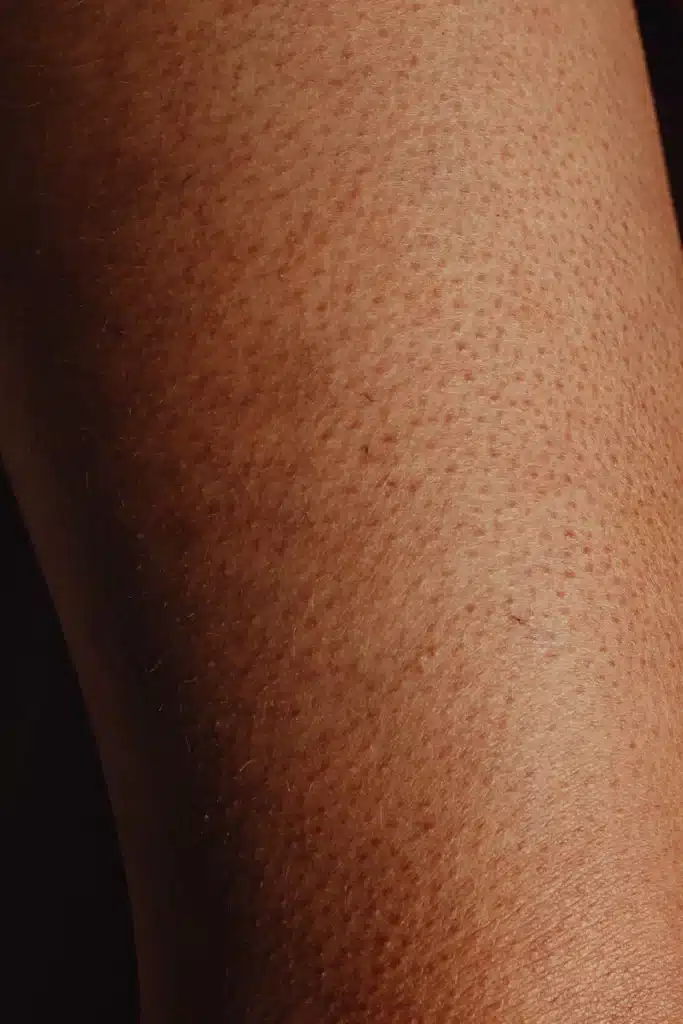
When hundreds of these hair follicles become plugged, it creates the bumpy, rough texture we commonly call chicken skin.
Keratosis Pilaris Causes
When patients come to our clinic seeking a KP disease treatment, their first question is almost always, “Why did I get this?” While it can be frustrating, it is important to know that poor hygiene does not cause this condition.
The primary keratosis pilaris causes include:
Genetics: Keratosis pilaris is strongly hereditary. If one of your parents has it, there is a very high chance you will develop it, too. It is an autosomal dominant condition, meaning the genetic trait is easily passed down.
Dry Skin Conditions: It is incredibly common in individuals who already suffer from dry skin conditions like eczema (atopic dermatitis) or ichthyosis.
Weather Changes: Many patients notice their “chicken skin” flares up and becomes redder or rougher during colder, drier months, and improves slightly in high humidity.
Hormonal Shifts: It often worsens during puberty or pregnancy due to hormonal changes affecting skin cell turnover.
Where Does Keratosis Pilaris Appear On Skin?
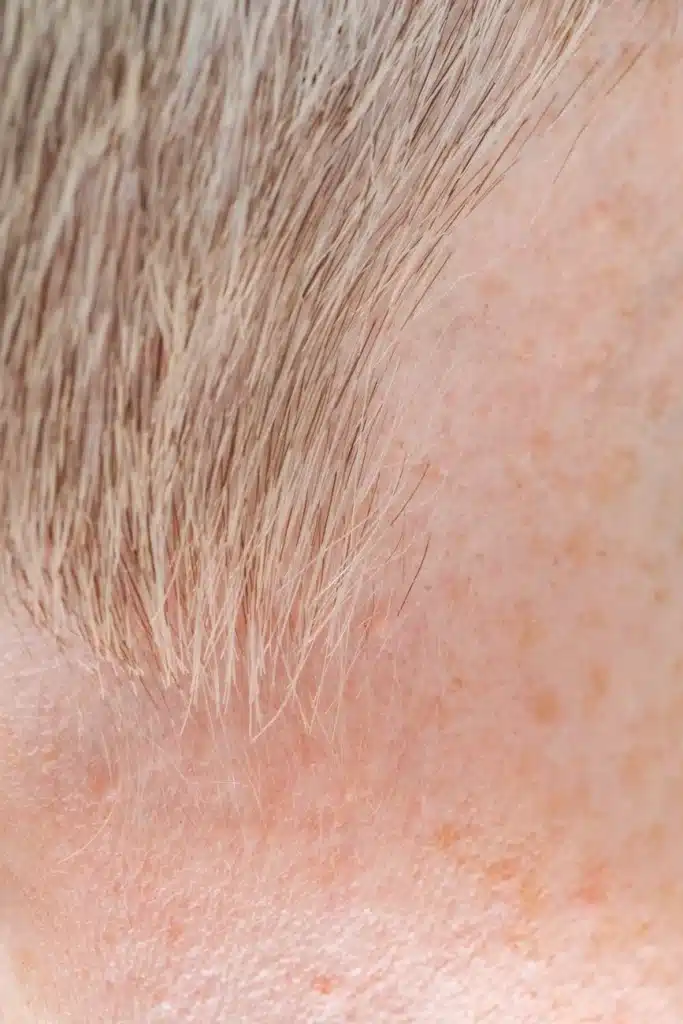
Keratosis pilaris most commonly appears on the outer sides of the upper arms, the front of the thighs, and sometimes the buttocks. However, many patients are surprised to learn that it can also affect the face and the back.
Keratosis Pilaris Face Bumps
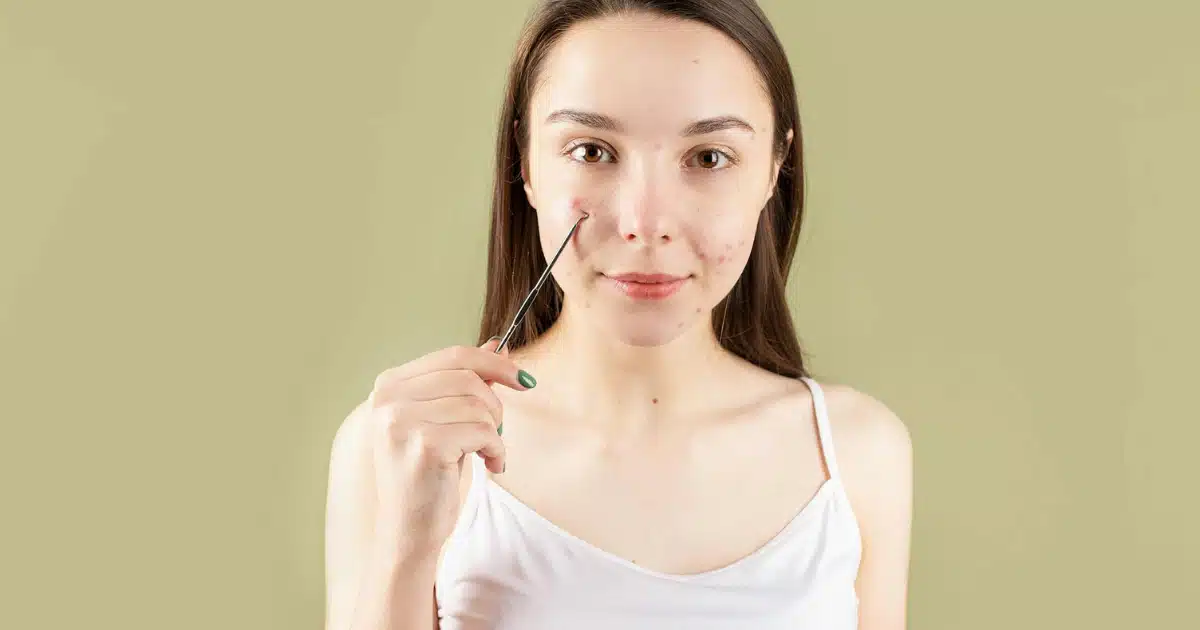
Facial bumps are frequently misdiagnosed by patients as acne or closed comedones. They typically appear on the cheeks and jawline, presenting as tiny, red, rough bumps that do not form a “whitehead” or “blackhead.” Because facial skin is delicate, aggressive scrubbing of these bumps will only cause severe redness, inflammation, and potential scarring.
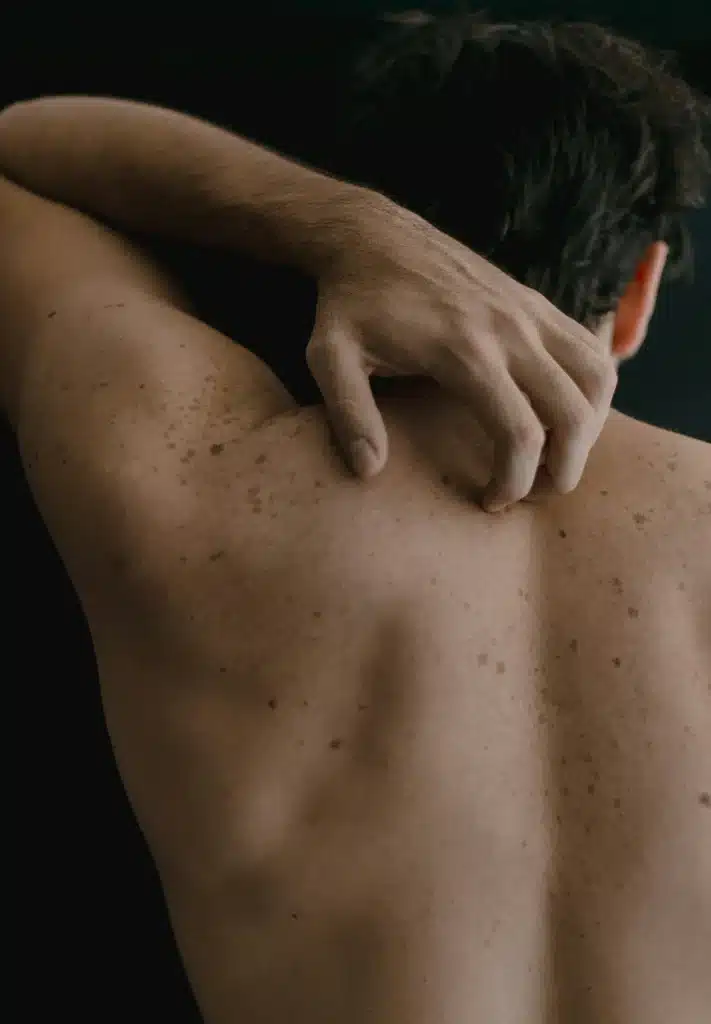
Is it Keratosis Pilaris or Back Acne (Bacne)?
Many patients confuse KP bumps on their shoulders and upper back with body acne. While keratosis pilaris consists of hard, dry keratin plugs, back acne is caused by inflamed sebaceous glands, excess oil, and bacteria. If your bumps are painful, pus-filled, or actively inflamed, you are likely dealing with acne and may require a targeted Bacne Treatment to properly clear the breakout.
Chicken Skin vs. Strawberry Skin: What is the Difference?
Patients often use the terms interchangeably, but medically speaking, they are slightly different issues that require different approaches:
Chicken Skin (Keratosis Pilaris): Characterized by raised, rough, sandpaper-like bumps caused by keratin plugs. It is primarily a genetic skin texture issue.
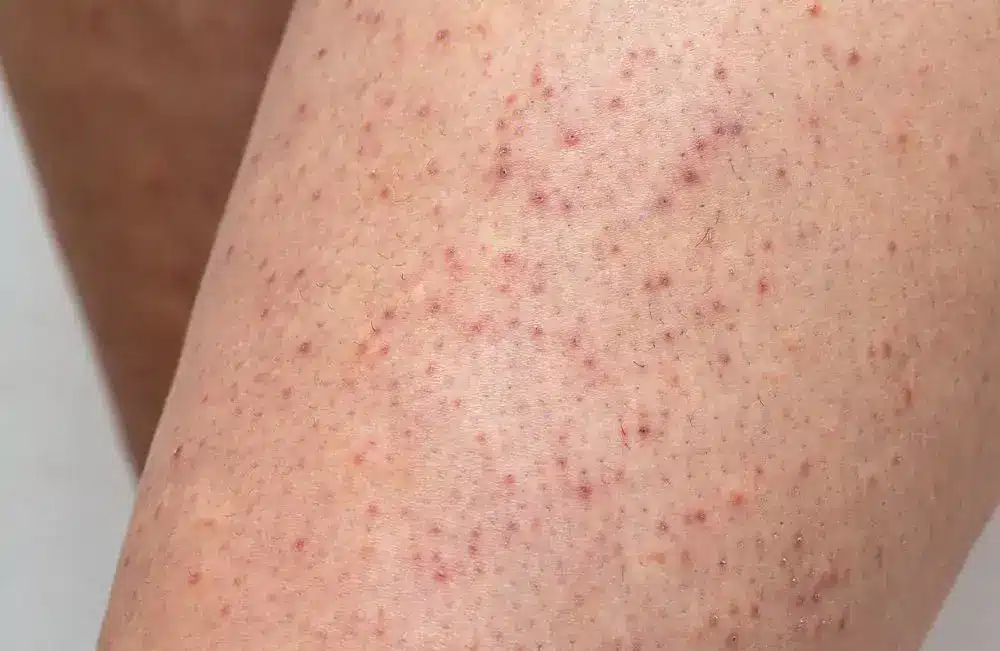
Strawberry Skin: Usually refers to dark spots or enlarged pores (often on the legs) that look like the seeds on the outside of a strawberry. This is typically caused by shaving, where trapped oil, dead skin, and bacteria oxidize inside open pores (comedones), or by chronic ingrown hairs.
Fortunately, professional clinic treatments can effectively target and eliminate both of these concerns.
The Best Keratosis Pilaris Treatment Options in Malaysia
While there is no permanent “cure” that alters your genetics, you absolutely can achieve smooth, clear skin. When you visit a medical aesthetic clinic for a professional keratosis pilaris treatment, doctors utilize medical-grade therapies that are far more powerful than over-the-counter body scrubs.
Here are the most effective clinical approaches we use for KP disease treatment:
1. Medical-Grade Chemical Peels
Physical exfoliation (like scrubbing) often irritates the skin and makes the redness worse. Instead, we use chemical exfoliation. Our doctors apply specialized, medical-grade chemical peels containing Salicylic Acid (BHA), Glycolic Acid (AHA), or Lactic Acid. These powerful agents penetrate the hair follicle, dissolve the trapped keratin plug, and melt away the dead skin cells, leaving the skin remarkably smooth.
2. Pico Laser Therapy and CO2 Laser Resurfacing
If your bumps are accompanied by severe redness, pigmentation, or deeply textured skin, advanced laser therapy is the ultimate solution.
Pico & Q-Switched Lasers: These advanced lasers shatter the dark pigmentation left behind by old bumps, evening out your overall skin tone.
CO2 Laser Resurfacing: For highly stubborn, textured bumps and deeply congested skin, fractional CO2 laser resurfacing gently vaporizes the outermost layers of dead skin. This stimulates intense skin renewal and collagen production, effectively smoothing out the rough “chicken skin” texture.
3. Laser Hair Removal for Strawberry Skin & Ingrown Hairs
If your bumpy skin is primarily concentrated on your legs and is caused by shaving irritation, razor bumps, or trapped hairs, Laser Hair Removal is one of the most effective long-term solutions. By permanently destroying the hair follicle and eliminating chronic ingrown hairs at the root, laser hair removal clears up “strawberry skin” and leaves your legs permanently smooth and shadow-free.
4. Prescription Topical Exfoliants & Hydrators
To maintain your smooth skin between clinic visits, our doctors can prescribe high-strength topical creams containing Urea, Tretinoin (Retinoids), or concentrated Lactic acid. These prescription-strength formulas continuously encourage cellular turnover and prevent new keratin plugs from forming.
Get Rid of Keratosis Pilaris Achieving Smooth and Healthy Skin
Dealing with keratosis pilaris, chicken skin, or strawberry skin can be a lifelong frustration if treated with the wrong products. Fortunately, with an accurate medical diagnosis and targeted clinical therapies, achieving smooth, clear skin is entirely possible.
If you are unsure whether your skin bumps are keratosis pilaris, body acne, or another dermatological condition, seeking a professional evaluation is the first step toward effective management. At Regions Clinic, our medical team is dedicated to providing evidence-based, LCP-certified aesthetic care to help you restore your skin’s health and your personal confidence.
Frequently Asked Questions (FAQs) About Keratosis Pilaris
Is keratosis pilaris contagious?
No, it is absolutely not contagious. It is a genetic skin condition. You cannot catch it from someone else, nor can you pass it to anyone through physical contact.
Will my chicken skin eventually go away on its own?
For many people, the condition naturally improves and fades by the time they reach their 30s. However, for others, it remains a lifelong condition. If yours is persistent, medical treatments can keep your skin completely smooth and symptom-free.
Can I scrub away the bumps with a loofah or body scrub?
We strongly advise against aggressive physical scrubbing. Harsh exfoliation causes micro-tears in the skin, leading to more inflammation, severe redness, and a higher risk of hyperpigmentation (dark spots). Always opt for chemical exfoliants (like AHAs or BHAs) that gently dissolve the keratin instead.
Book Your Free Consultation Today!
Regions Clinic | LCP Certified Aesthetic Clinic in Kuala Lumpur